I haven't written much about my medical state since the "spot" was removed, and I've been waiting to have a little more information before posting. I also know that some of you, my good friends and family who read this regularly, keep track of my scheduled doctor appointments, so I wanted to describe what's up for January.
First, I'm having a "second opinion" (I think of it more as a consultation) at Dana Farber Cancer Institute in Boston on Friday, January 19. I think of it as a consultation because I don't doubt the diagnosis, although I know that pathologists can be wrong. Mostly, I want to talk with an oncologist who has worked more with gallbladder cancer, just to get a sense of his/her medical opinion about the course of my disease. Patty and I contacted a doctor friend who contacted a doctor colleague at Dana Farber earlier this month asking who is "expert" in this cancer there, or in the U.S. His response was that no one there, or in this country, is expert in gallbladder cancer. (Raising the question several friends have asked: "Is there an expert in gallbladder cancer outside the U.S? I don't have an answer.) Anyway, I've already had all of my records sent to them, and if they had a cancellation in the meantime, I may go for the appointment sooner.
Second, my next CT scan will be Monday, Jan. 22, with my oncologist appointment two days later, on Jan. 24. (Unfortunately for me, with post-scan anxiety, that's the soonest the new oncologist, Dr. J, is willing to see me post-scan.) At that appointment, we'll look at the whole picture and either he'll recommend that we begin treatment, or that we continue "watchful waiting." Of course, those of you who know me know that I'll be coming home that day with the scans, which I'll study on my computer to see what I can see, before the radiologist issues a report.
Third, we have been tracking my tumor marker (through a blood test called CA 19-9) more closely in the weeks since my last scan, largely because of the "spot" and the discovery that it was cancer. Some information about this blood test:
1. Not everyone with gallbladder cancer has this blood test register. Tia told me that her current reading is "3" despite her current mets, and the doctor simply said that the test is meaningless for her.
2. The numbers can get very high when someone is really sick. My numbers were all below 100 before November, I know of folks with readings in the 3,000-4,000 range who are not symptomatic, but have mets, and I have read of folks with readings in the 10,000 range who are very sick.
3. Anything below 37 is considered "normal."
4. My readings have been going up, but not awfully. Here they are:
Nov. 22 - 137
Dec. 4 - 182
Dec. 12 - 190
Dec. 27 - 212
When the oncologist called yesterday with the blood test results, he talked with Patty and I missed him on my cell phone, but he apparently pointed out that this last was about a 10% increase. I personally was hoping my numbers would go down following the removal of the "spot," but that doesn't seem to be happening.
What's next? That depends on the scan on Jan. 22, and how I feel. If the scan indicates visible spread, and my CA 19-9 numbers continue to climb, I will probably begin treatment. If the scan is clean once again, I continue to feel good, and the CA19-9 numbers haven't changed much, then I probably won't begin treatment. There are obviously other possibilities, but we can see what things look like on my next appointment.
On the discussion boards, I've been reading in the last seven months about others with this disease who go downhill rapidly. I see more clearly now why my doctors were apprehensive about our trip to the southwest last summer, three weeks after my surgery and diagnosis. Since gallbladder cancer frequently doesn't respond to chemo at all, I also see why my self-report on how I feel is a real indicator of what should be done medically. Knowing that makes me a little anxious when I don't feel good; then I have to remind myself that I had days when I just didn't feel good before my diagnosis of gallbladder cancer! But it also makes me anxious when I have any digestive drama, and in the last few weeks, I've had a weird sensation in my middle a handful of times that feels like something being constrained, moving through a narrow opening. It's different from indigestion, and it passes pretty quickly, but it makes me worry about my bypass, about the cancer spreading in some way that would interfere with the ability of my GI tract to do its job.
Aside from that anxiety, I am feeling good, with my energy consistent, my body feeling strong, and my spirits generally good. I have two and a half weeks before I'm back on campus (although I have preparation to do for the new semester), and I hope to do some fun, crafty things and to relax a little over that time.
Saturday, December 30, 2006


Thursday, December 28, 2006
Combating the Loneliness of a Rare Cancer
When I was first diagnosed with gallbladder cancer last May and began researching the disease, I was stunned by how rare it is. I mentioned the statistics in an earlier post, but depending on whether or not bile duct cancer is included, there will be something between 3,000 and 8,700 cases of gallbladder cancer in the U.S. this year. Seeing those statistics, I realized that not only did I not know anyone, ever, who had had gallbladder cancer, or who even knew of someone, sometime, who had had gallbladder cancer, but that I am unlikely to meet anyone who has the disease. It turns out that I was wrong on the first count, as I learned recently that a friend's mother died from gallbladder cancer in the 1970s. However, the second point will probably be true unless I arrange to connect with one of my long-distance friends with gallbladder cancer in the months ahead.
I feel the loneliness of the diagnosis when I go onto a cancer website, and my cancer isn't listed. Anywhere. Well, somewhere. At the "big" sites, I can find it. The American Cancer Society does have information, as does the National Cancer Institute. There is a Rare Cancer Alliance, apparently formed by a woman who wanted to provide a central source of information and connection for rare cancers, but it combines bile duct and gallbladder cancer, and lists a total of 18 posts on the discussion board over the year 2006.
How do I counteract the loneliness? One thing is by writing this blog; I have told more than one person over past months that writing here is therapeutic, that it helps me process what's happening inside my body and inside my psyche and spirit. Hearing from friends and strangers that they've read my blog, and hearing them relate their responses and their experiences is a powerful antidote to my loneliness.
Just today, I had an email from a woman whose mother was just diagnosed with gallbladder cancer. She had found my blog, and some of the information I provided, and linked to. Her mother is stage 4 and not doing well, but I was glad she could find information on my site.
Another important antidote has been to connect with others who have gallbladder cancer. I haven't personally met anyone else with GBC - yet! - but I hope to. And even if we don't meet in person, I've made contact through the discussion boards (listed on the side links of the blog) at Johns Hopkins, Cholangiocarcinoma.org, and Cancer Compass. Those three discussion boards are essentially it for connection with others with the disease, or who have loved ones with the disease. In addition to the discussion boards, I've made contact by email with a few other folks with GBC - Woody (who has posted a comment on several occasions here), Melissa (who sent me an email that I wrote a post on - see November 8), and, most recently, Tia, from Hawaii.
Tia got my email address from Woody, who is compiling statistical information about those of us with GBC, and she wrote me with her story and then called me on the phone a week before Christmas. Tia is 17 months post diagnosis, and has been feeling good and doing well following surgery, radiation, and chemotherapy with 5FU. Now, she has some mets, including one under her clavicle that's been biopsied. She and her family are searching the internet for promising clinical trials or [alternative] treatments, something that might actually offer a cure. She's finding that her quest may take her outside the U.S. to a country where this cancer is not uncommon. That's Tia's story, briefly, but the exciting part for me was that we connected, about the disease, and surviving, and thriving, and having the rare cancer called gallbladder cancer. And, despite living in Hawaii, she has an oncologist at Dana Farber Cancer Institute in Boston, and we both have an appointment on Jan. 19 there. Perhaps we can meet!
On Dec. 23, the day after my gloomy post "Today, I don't want to know," Tia called me, to say that she knows how I feel. And she does. Ironically, she'd had an attack of sadness about the possibility of no more Christmases the same day I did. How affirming to have someone in my situation call to say she understands! (And I want to add that I sent her a draft of this post, so that she could edit and give the okay for the information about her life that I've provided here.)
What's most important about all of this? Connecting. I feel that all of us find healing in connection, in bringing our spirits, our souls into connection with the soul of another. In life, it can happen through a glance, a kind word, through true friendship where we are willing to be vulnerable with another, through faithfulness in relationship where we stay even when things are tough. And it can happen through the new technology, like the world wide web, and blogs, and the ability to find someone else who is struggling with issues like ours. Healing of the spirit can happen through connection, and I'm happy to have some of my loneliness alleviated by connecting with others affected by this rare cancer.
I feel the loneliness of the diagnosis when I go onto a cancer website, and my cancer isn't listed. Anywhere. Well, somewhere. At the "big" sites, I can find it. The American Cancer Society does have information, as does the National Cancer Institute. There is a Rare Cancer Alliance, apparently formed by a woman who wanted to provide a central source of information and connection for rare cancers, but it combines bile duct and gallbladder cancer, and lists a total of 18 posts on the discussion board over the year 2006.
How do I counteract the loneliness? One thing is by writing this blog; I have told more than one person over past months that writing here is therapeutic, that it helps me process what's happening inside my body and inside my psyche and spirit. Hearing from friends and strangers that they've read my blog, and hearing them relate their responses and their experiences is a powerful antidote to my loneliness.
Just today, I had an email from a woman whose mother was just diagnosed with gallbladder cancer. She had found my blog, and some of the information I provided, and linked to. Her mother is stage 4 and not doing well, but I was glad she could find information on my site.
Another important antidote has been to connect with others who have gallbladder cancer. I haven't personally met anyone else with GBC - yet! - but I hope to. And even if we don't meet in person, I've made contact through the discussion boards (listed on the side links of the blog) at Johns Hopkins, Cholangiocarcinoma.org, and Cancer Compass. Those three discussion boards are essentially it for connection with others with the disease, or who have loved ones with the disease. In addition to the discussion boards, I've made contact by email with a few other folks with GBC - Woody (who has posted a comment on several occasions here), Melissa (who sent me an email that I wrote a post on - see November 8), and, most recently, Tia, from Hawaii.
Tia got my email address from Woody, who is compiling statistical information about those of us with GBC, and she wrote me with her story and then called me on the phone a week before Christmas. Tia is 17 months post diagnosis, and has been feeling good and doing well following surgery, radiation, and chemotherapy with 5FU. Now, she has some mets, including one under her clavicle that's been biopsied. She and her family are searching the internet for promising clinical trials or [alternative] treatments, something that might actually offer a cure. She's finding that her quest may take her outside the U.S. to a country where this cancer is not uncommon. That's Tia's story, briefly, but the exciting part for me was that we connected, about the disease, and surviving, and thriving, and having the rare cancer called gallbladder cancer. And, despite living in Hawaii, she has an oncologist at Dana Farber Cancer Institute in Boston, and we both have an appointment on Jan. 19 there. Perhaps we can meet!
On Dec. 23, the day after my gloomy post "Today, I don't want to know," Tia called me, to say that she knows how I feel. And she does. Ironically, she'd had an attack of sadness about the possibility of no more Christmases the same day I did. How affirming to have someone in my situation call to say she understands! (And I want to add that I sent her a draft of this post, so that she could edit and give the okay for the information about her life that I've provided here.)
What's most important about all of this? Connecting. I feel that all of us find healing in connection, in bringing our spirits, our souls into connection with the soul of another. In life, it can happen through a glance, a kind word, through true friendship where we are willing to be vulnerable with another, through faithfulness in relationship where we stay even when things are tough. And it can happen through the new technology, like the world wide web, and blogs, and the ability to find someone else who is struggling with issues like ours. Healing of the spirit can happen through connection, and I'm happy to have some of my loneliness alleviated by connecting with others affected by this rare cancer.
Monday, December 25, 2006
Making Christmas Memories


I'm pleased to say that I didn't stay in the state I was on December 22, and that I've treasured some moments with both of the kids in the past three days . . .
Nathaniel, gluing together a manger scene made of foam "marshmallows." (Yes, really!) He got to the part of attaching the ribbon to hold Mary's headdress. "Mom, can you hold this for me? I had a really hard time with Joseph's ribbon." The result was suitably lovely for an 8 year old who makes magic with a glue gun.
Apologizing to Lucy after yelling at her on Dec. 22, when I was still in my grief. "Lucy, I know I'm in a bad mood, and I want you to know that it's not anything you or your brother have done. I'm just feeling really sad about my illness. I know that I am feeling physically good now, and able to do most things, but I'm still sick, and it makes me sad." She nodded, and went on with her computer game.
Later, though, she came in to the kitchen and asked if she could bake cookies with me. I was mixing dough for scottish shortbread - done by hand - and she said, "Can I do that?" with a gleam in her eye. I said sure, and she mixed her own batch, hands in the dough, and all. I told her that the story in Scotland (as I have heard it) is that each woman's shortbread tastes somewhat different, because she has kneaded and worked the dough herself, with her hands.
At bedtime, walking upstairs, she said "Baking cookies today was fun." I replied, "I thought so, too."
At the Christmas Eve service last night, both the kids were back lit by the white lights of the Christmas tree, which formed halos around their beautiful heads.
Lucy sang a solo last night, "Who Would Imagine," and did a wonderful job. The whole service was full of music, with the choir singing five different songs, and all of us singing lots of Christmas carols. The service was full of the magic of Christmas, and I felt touched by grace.
Today the kids first got up at 2:30, but were convinced they needed to get back to sleep, and slept then until 6:00. From upstairs, I heard Nathaniel say to Lucy, "See, Lucy, I told you Santa was real. I asked him for socks, and he brought them!" ( I cannot explain the comment, but I'm still laughing. We think this was a request to Santa whispered under his breath.)
The kids were understandably wired during the morning, and we had laughter, screams of delight, and lots of fun opening gifts. Over the day, we saw our extended family, ate well, and celebrated Christmas. Sweet memories, a wonderful celebration.
Friday, December 22, 2006
Today, I Don't Want to Know
Warning: This is not a warm and fuzzy holiday posting, but rather a grim and sad one. So, don't read on just now if you are not in the mood.
Today, I don't want to know that I have been diagnosed with terminal cancer. I began this blog last August by saying:
If you had only six months or a year to live, would you want to know? What would you do with the information? Would it make a difference in how you lived your life?
My answer then, and in the days since I framed the question, has been "Yes. I would want to know, I'm glad I do know." As the months have unfolded and I have felt well, returned to work, not gotten quickly and intensely ill, continued to recover from the major surgery of last May, and had other experiences, the immediacy of my diagnosis has somewhat faded. And while all of this has happened, I haven't had a day when I thought that I wouldn't want to know. I've seen it all as an opportunity to live more fully, and to be in the moment, savoring the life I have.
Today, however, I wish I didn't know. Suddenly, with Christmas three days away, I just don't want to be thinking that this could be my last Christmas, and have that added weight to the holidays. I loved Christmas as a child, and there is much about it that I continue to love. But with the passing of years, it has come to carry a lot of emotional baggage. To that baggage, I really don't want to add an awareness of my mortality, thank you very much.
Two weekends ago, I baked cookies for two days with good friends who came to roll, and dust, and shape the cookies I like to make just for Christmas. And in baking, we talked, sometimes about heavy and serious things, sometimes about light and fun things. One conversation, with my friend Judy, who is a United Church of Christ minister like Patty, was about the difference between getting a terminal diagnosis (like gallbladder cancer) and getting a serious diagnosis (like a cancer that's more treatable and has a good success rate from treatment). I don't want to be comparing degrees of "badness" for respective diagnoses with anyone, but I can feel the difference of a diagnosis that one expects to recover from, and one where nothing short of a miracle would prolong one's life. (That's me, and I am definitely in the market for one of those miracles.) And perhaps I can most accurately say that I know I would feel different if diagnosed with a treatable illness. The terminal diagnosis makes me wonder if I will be here next Christmas, or, if I am alive, I'll be well enough to bake cookies again for a weekend.
I wish I didn't have cancer. I wish it weren't gallbladder cancer, with its poor prognosis. I wish I could get treated and expect to go on living my life. I wish I didn't know that the cancer is in my body, and that this could just be my last Christmas. I wish I could just enjoy the anticipation and laughter of my children as Christmas approaches, and not worry about next year. Today, I don't want to know.
Today, I don't want to know that I have been diagnosed with terminal cancer. I began this blog last August by saying:
If you had only six months or a year to live, would you want to know? What would you do with the information? Would it make a difference in how you lived your life?
My answer then, and in the days since I framed the question, has been "Yes. I would want to know, I'm glad I do know." As the months have unfolded and I have felt well, returned to work, not gotten quickly and intensely ill, continued to recover from the major surgery of last May, and had other experiences, the immediacy of my diagnosis has somewhat faded. And while all of this has happened, I haven't had a day when I thought that I wouldn't want to know. I've seen it all as an opportunity to live more fully, and to be in the moment, savoring the life I have.
Today, however, I wish I didn't know. Suddenly, with Christmas three days away, I just don't want to be thinking that this could be my last Christmas, and have that added weight to the holidays. I loved Christmas as a child, and there is much about it that I continue to love. But with the passing of years, it has come to carry a lot of emotional baggage. To that baggage, I really don't want to add an awareness of my mortality, thank you very much.
Two weekends ago, I baked cookies for two days with good friends who came to roll, and dust, and shape the cookies I like to make just for Christmas. And in baking, we talked, sometimes about heavy and serious things, sometimes about light and fun things. One conversation, with my friend Judy, who is a United Church of Christ minister like Patty, was about the difference between getting a terminal diagnosis (like gallbladder cancer) and getting a serious diagnosis (like a cancer that's more treatable and has a good success rate from treatment). I don't want to be comparing degrees of "badness" for respective diagnoses with anyone, but I can feel the difference of a diagnosis that one expects to recover from, and one where nothing short of a miracle would prolong one's life. (That's me, and I am definitely in the market for one of those miracles.) And perhaps I can most accurately say that I know I would feel different if diagnosed with a treatable illness. The terminal diagnosis makes me wonder if I will be here next Christmas, or, if I am alive, I'll be well enough to bake cookies again for a weekend.
I wish I didn't have cancer. I wish it weren't gallbladder cancer, with its poor prognosis. I wish I could get treated and expect to go on living my life. I wish I didn't know that the cancer is in my body, and that this could just be my last Christmas. I wish I could just enjoy the anticipation and laughter of my children as Christmas approaches, and not worry about next year. Today, I don't want to know.
Thursday, December 21, 2006
Shortest Day - Longest Night of the Year
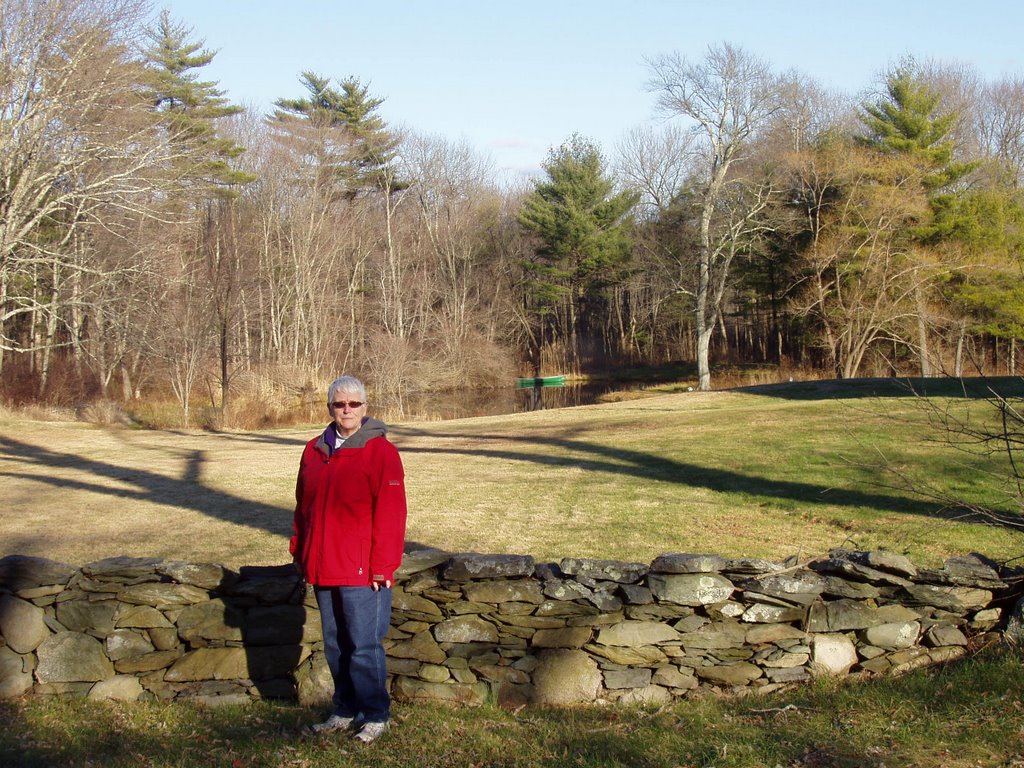
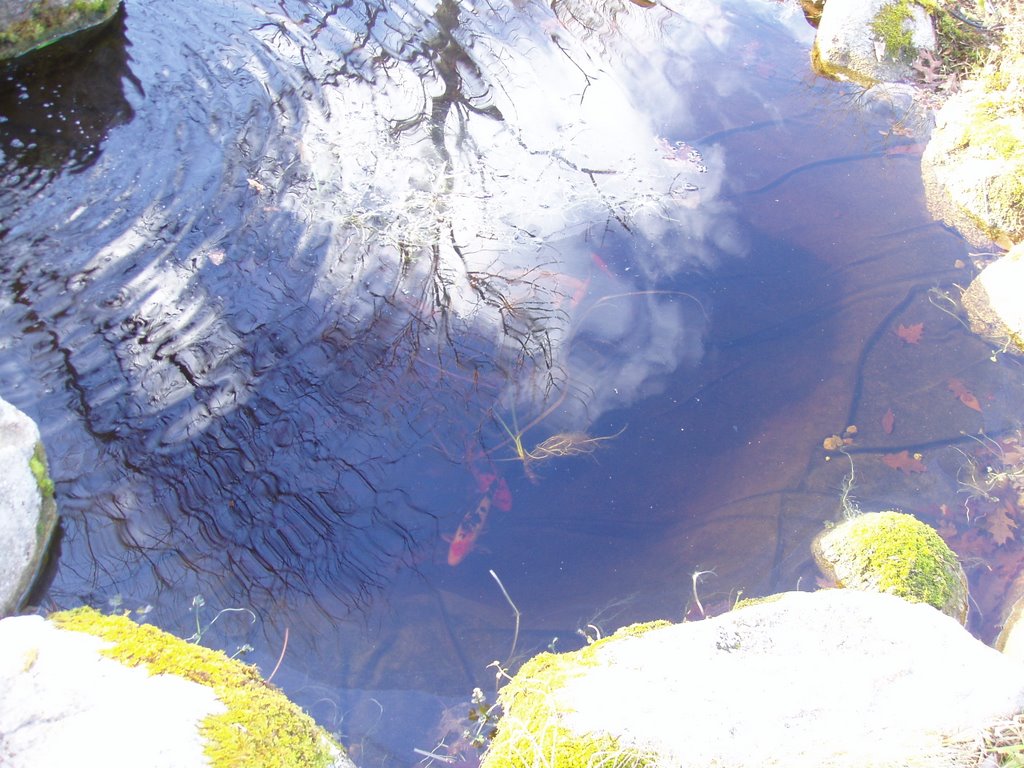
On this Winter Solstice in the northern hemisphere, I'm still thinking about sunlight and the lack thereof. The sunlamp came a few days ago, and it's felt good to sit with it, even though it's only for 3 minutes to start. I exposed my face for two days, and today I think I'll do my legs. Skin everywhere on our bodies can take in that sunlight to make the Vitamin D.
Suddenly, it seems that something on my mind is everywhere. Newsweek had an article about Vitamin D, the "Sunshine Vitamin," two weeks ago, but I just read it this week. Also, thinking about the comment made by Carol in Ohio about Vitamin D and osteoporosis - thanks, Carol! - I looked at my calcium supplement, and found that it actually includes Vitamin D as well as the calcium. And I heard an amazing story during the church coffee hour on Sunday from the aunt of a friend. Now retired, she participated in a study on osteoporosis a few years ago. She would go in for blood tests every two weeks, and during one two week span in the winter, she went to Florida. When she came back, her Vitamin D level had jumped so much that the techs asked her what she had been up to. So, there you have it. Vitamin D can be good for bones, good for cancer prevention, and good to slow the spread of cancers we already have. Of course, the ideal levels haven't been set, and like many things, there's probably potential to overdo it with supplements.
In any event, I'll continue to get a few UV-B rays each day with the new sunlamp, and hope that my body is making all of the Vitamin D it needs, and hopefullly, keeping the cancer cells at bay.
My last post, on sunlight, also generated some ideas about language for a medical disclaimer from Teresa - thanks, Teresa! - and I think I've pasted it into my sidebar, although it hasn't appeared yet. Although I do like "translating" material for others once I've understood it, I really don't want anyone to think I'm giving medical advice. Even if I had medical training, which I don't, it's so clear that everyone's experience with illness is unique, and that's why medical experts need years of training to be able to give us medical advice.
And, finally, all of this thinking about sunlight led me to really notice what the sunshine looks like these days in Massachusetts, so I took some photos two days ago, when the sun was actually shining. The angle of the sun was so oblique that it looked like the end of the day at 2:00 p.m. I've posted one photo that Patty took of me standing next to a New England stone wall, with a neighbor's small pond in the distance, and one of my water garden, with a fish or two visible along with the sharp reflection. I would have put the photos at the end, but this is my first photo attempt, and blogger chose the spot!
Happy Solstice to all! I celebrate that after today, the light will be returning, slowly at first, but returning.
Friday, December 15, 2006
Vitamin D, UV-B Sunlight and Gallbladder Cancer
While wandering about the internet, I discovered an article about sunshine, UV-B sunlight in particular, Vitamin D, and cancer. Not just gallbladder cancer, but a number of cancers, especially those of the gastro-intestinal tract. Having found the one article, I have found some other articles on this topic. I've thought of myself as pretty well informed on health issues generally, but I don't remember reading any of this in my pre-cancer days.
Entitled "Solar ultraviolet-B exposure and cancer incidence and mortality in the United States, 1993–2002," the full text of the article that got me thinking about this is available online for those who want more information. The gist of this research, which uses data of 3 million cancer diagnoses from 1998 to 2002, and 3 million cancer deaths from 1993 to 2002, is that some cancers are more prevalent in areas of the country where people are less likely to have exposure to UV-B sunshine, and thus less likely to have good levels of Vitamin D. And, most important to me, this is true for women (but not necessarily men) with gallbladder cancer. If you are reading this and affected by another cancer, it's worth reading the long list of cancers in the study that the authors describe as impacted by lack of Vitamin D.
Let me try to say this more clearly (because goodness knows, the article has lots of technical medical language in it). Because parts of the U.S. are far enough north that even if we are outside during the winter months, we do not get enough UV-B sunlight to make the Vitamin D we need to have sufficient amount in our bodies. In another article this week, I read that the minimum daily requirement for Vitamin D was established by the government as a minimum to prevent rickets (early 1900s), and certainly it did not anticipate that many of us would spend our days indoors as well as be living too far north to benefit from the sunshine.
You may be wondering how all of this fits into the dermatologists' campaign over the last years to see that all of us wear our sunscreen outside. I'm not a doctor (as most of you reading this know), but I have heard even dermatologists say publicly recently that we should all be getting about 20 minutes of sunlight on our unprotected skin each day to ensure adequate amounts of Vitamin D in our bodies. So, I think that even with their worry about melanoma, they are recognizing that getting some sunlight is valuable. But after that 20 minutes, they want us to put the sunscreen on and restrict our exposure to the intense mid-day sun.
So, back to this study. Another aspect to this study is that while we can take Vitamin D supplements, there is actually some evidence that getting the sunshine, UV-B rays particularly, and making our own Vitamin D, is actually preferable to the supplements.
It seems that gallbladder cancer in women is statistically linked to insufficient sunlight exposure. As a result, I have purchased a "sun lamp" with UV-B rays, and when it arrives next week, I'm ready to use it the prescribed 20 minutes each day. Maybe it will slow the progression of the disease (which the article suggests sufficient UV-B exposure, and Vitamin D might), and maybe it won't. But I'll at least have a better mood through the dark winter days of Massachusetts, and maybe I'll even look a little tanned, instead of pasty! And, thinking back to the summer months immediately following my diagnosis, I am remembering how much time I spent outside, in the sun, wearing sunscreen, but not being obsessive about it, since I was no longer worried about skin cancer as much as I was about surviving gallbladder cancer for as long as possible. So, maybe the summer sunlight slowed the progression of the disease, and maybe my sunlamp will help now, too.
With this posting, I am thinking it's time to put a "This is not medical advice" warning on my blog. First, I have to figure out how! Thanks for reading.
Entitled "Solar ultraviolet-B exposure and cancer incidence and mortality in the United States, 1993–2002," the full text of the article that got me thinking about this is available online for those who want more information. The gist of this research, which uses data of 3 million cancer diagnoses from 1998 to 2002, and 3 million cancer deaths from 1993 to 2002, is that some cancers are more prevalent in areas of the country where people are less likely to have exposure to UV-B sunshine, and thus less likely to have good levels of Vitamin D. And, most important to me, this is true for women (but not necessarily men) with gallbladder cancer. If you are reading this and affected by another cancer, it's worth reading the long list of cancers in the study that the authors describe as impacted by lack of Vitamin D.
Let me try to say this more clearly (because goodness knows, the article has lots of technical medical language in it). Because parts of the U.S. are far enough north that even if we are outside during the winter months, we do not get enough UV-B sunlight to make the Vitamin D we need to have sufficient amount in our bodies. In another article this week, I read that the minimum daily requirement for Vitamin D was established by the government as a minimum to prevent rickets (early 1900s), and certainly it did not anticipate that many of us would spend our days indoors as well as be living too far north to benefit from the sunshine.
You may be wondering how all of this fits into the dermatologists' campaign over the last years to see that all of us wear our sunscreen outside. I'm not a doctor (as most of you reading this know), but I have heard even dermatologists say publicly recently that we should all be getting about 20 minutes of sunlight on our unprotected skin each day to ensure adequate amounts of Vitamin D in our bodies. So, I think that even with their worry about melanoma, they are recognizing that getting some sunlight is valuable. But after that 20 minutes, they want us to put the sunscreen on and restrict our exposure to the intense mid-day sun.
So, back to this study. Another aspect to this study is that while we can take Vitamin D supplements, there is actually some evidence that getting the sunshine, UV-B rays particularly, and making our own Vitamin D, is actually preferable to the supplements.
It seems that gallbladder cancer in women is statistically linked to insufficient sunlight exposure. As a result, I have purchased a "sun lamp" with UV-B rays, and when it arrives next week, I'm ready to use it the prescribed 20 minutes each day. Maybe it will slow the progression of the disease (which the article suggests sufficient UV-B exposure, and Vitamin D might), and maybe it won't. But I'll at least have a better mood through the dark winter days of Massachusetts, and maybe I'll even look a little tanned, instead of pasty! And, thinking back to the summer months immediately following my diagnosis, I am remembering how much time I spent outside, in the sun, wearing sunscreen, but not being obsessive about it, since I was no longer worried about skin cancer as much as I was about surviving gallbladder cancer for as long as possible. So, maybe the summer sunlight slowed the progression of the disease, and maybe my sunlamp will help now, too.
With this posting, I am thinking it's time to put a "This is not medical advice" warning on my blog. First, I have to figure out how! Thanks for reading.
Monday, December 11, 2006
Expectations
Expectations are dangerous things. We can have "good" expectations, or more accurately, expectations of good things to happen . . . "I'm looking forward to Christmas, it's going to be wonderful!" (words either of my children could speak at any moment in the next two weeks), and expectations of bad things to happen . . . "I'm worried that that pesky, damn spot of cancer in my abdomen was a metastasis, or can cause a metatasis because it connected to my lymph or blood system." (The last part is according to the pathology report that was available this past Friday, and these are thoughts I've been having a lot over the last few days.)
Why are either of these dangerous? While anticipation and yearning can be powerful, intense feelings, and windows to some of our internal process about an upcoming event, deciding how that event is likely to unfold is dangerous. I learned some of this perspective years ago when I took a weekend workshop with two women who then referred to their work as "The Love Project." They have since changed their name to Teleos Institute, and like most ongoing projects out in the world, they have a website.
"Have no expectations, but rather abundant expectancy" was one of the original "Love Principles" articulated by Arleen Lorrance of the then "Love Project." A full list of the principles can be found at their website, and I'm including them here as well. While they are essentially simple, they can also be unpacked to provide useful principles for changing the way we think about ourselves, our lives, and those we encounter on our life journey.
Receive all people as beautiful exactly as they are.
Be the change you want to see happen, instead of trying to change anyone else.
Create your own reality consciously.
Provide others with opportunities to give.
Have no expectations, but rather abundant expectancy.
Problems are opportunities.
As I thought about writing about expectations, expectancy, and the ideas of Diane K. Pike and Arleen Lorrance of Teleos Institute, I reflected on the number of times in the months since I began this blog that I have discussed and described some workshop I've attended in the past. So, I want to name that yes, I did attend a lot of workshops, that I saw them as part of my spiritual journey, and now I'm happy to name one or more pieces that I got from doing the work I did. At least the learning isn't all lost to time!
So, about my expectations. Okay, so I remember the principle, but I don't always live it fully, I admit. As time passed with my clean scans, I expected to feel delighted and relieved to reach the six month mark without needing treatment and without experiencing additional effects of the gallbladder cancer. Instead, I admit I've spent the last four weeks, since the week before my November 17 scan, worried. (I just counted the weeks, to see if my sense was indeed correct, that's it's been that long.) So, the six month anniversary of my diagnosis has come and gone, and I haven't been feeling lighthearted and pleased, but rather anxious and fearful.
How can I shift from my anxiety to a place of expectancy, or openness to the possibility of "good" things, and a trust that if "bad" things happen, I can handle them? Just asking the question helps me begin to think about it all differently. If I am committed to living fully in the time I have (and I am), then living in fear and anxiety is not fulfilling my deep desire. Feeling that desire, that yearning, and withdrawing my expectations of outcome and timing can be a good place to start. Don't misunderstand, it's not that I don't want to live many, many more years. It's just that I don't want to miss the moment, the present, the now of my experience because I'm worrying about what's going to happen next month, or in six months, or a year, or five years. I think that expectancy is about living in the now, and not in the unknown future. That's what I want, to be here now.
Why are either of these dangerous? While anticipation and yearning can be powerful, intense feelings, and windows to some of our internal process about an upcoming event, deciding how that event is likely to unfold is dangerous. I learned some of this perspective years ago when I took a weekend workshop with two women who then referred to their work as "The Love Project." They have since changed their name to Teleos Institute, and like most ongoing projects out in the world, they have a website.
"Have no expectations, but rather abundant expectancy" was one of the original "Love Principles" articulated by Arleen Lorrance of the then "Love Project." A full list of the principles can be found at their website, and I'm including them here as well. While they are essentially simple, they can also be unpacked to provide useful principles for changing the way we think about ourselves, our lives, and those we encounter on our life journey.
Receive all people as beautiful exactly as they are.
Be the change you want to see happen, instead of trying to change anyone else.
Create your own reality consciously.
Provide others with opportunities to give.
Have no expectations, but rather abundant expectancy.
Problems are opportunities.
As I thought about writing about expectations, expectancy, and the ideas of Diane K. Pike and Arleen Lorrance of Teleos Institute, I reflected on the number of times in the months since I began this blog that I have discussed and described some workshop I've attended in the past. So, I want to name that yes, I did attend a lot of workshops, that I saw them as part of my spiritual journey, and now I'm happy to name one or more pieces that I got from doing the work I did. At least the learning isn't all lost to time!
So, about my expectations. Okay, so I remember the principle, but I don't always live it fully, I admit. As time passed with my clean scans, I expected to feel delighted and relieved to reach the six month mark without needing treatment and without experiencing additional effects of the gallbladder cancer. Instead, I admit I've spent the last four weeks, since the week before my November 17 scan, worried. (I just counted the weeks, to see if my sense was indeed correct, that's it's been that long.) So, the six month anniversary of my diagnosis has come and gone, and I haven't been feeling lighthearted and pleased, but rather anxious and fearful.
How can I shift from my anxiety to a place of expectancy, or openness to the possibility of "good" things, and a trust that if "bad" things happen, I can handle them? Just asking the question helps me begin to think about it all differently. If I am committed to living fully in the time I have (and I am), then living in fear and anxiety is not fulfilling my deep desire. Feeling that desire, that yearning, and withdrawing my expectations of outcome and timing can be a good place to start. Don't misunderstand, it's not that I don't want to live many, many more years. It's just that I don't want to miss the moment, the present, the now of my experience because I'm worrying about what's going to happen next month, or in six months, or a year, or five years. I think that expectancy is about living in the now, and not in the unknown future. That's what I want, to be here now.
Thursday, December 07, 2006
That damn spot was Cancerous!
Today, I talked with the sugeon, Dr. M, who had talked this morning with the pathologist, although the written report has not yet been issued. The damn, pesky, annoying - but now gone! - spot was galllbladder cancer!
My intuition was so strong that it was cancerous, I didn't feel surprised. But, the news is so powerfully bad, I felt kicked in the stomach, knowing for certain that it had been a cancer nodule growing in my abdomen, under my skin, available to be touched. I hate this cancer! Cancer sucks!
Since talking with the doctor, I've wondered if I need to worry about whether or not I have to worry about the cancer spreading from where the "spot"/nodule was located. I didn't think to ask the surgeon. Probably next week, I'll talk with the oncologist, and see what he makes of the pathology report.
I am relieved, immensely relieved, that the spot is out of my body. I'm glad I trusted my intuition about it - assertiveness is valuable for cancer patients! - and I'm glad it's gone. But I really wish I had been wrong, and I wish it weren't cancerous.
My intuition was so strong that it was cancerous, I didn't feel surprised. But, the news is so powerfully bad, I felt kicked in the stomach, knowing for certain that it had been a cancer nodule growing in my abdomen, under my skin, available to be touched. I hate this cancer! Cancer sucks!
Since talking with the doctor, I've wondered if I need to worry about whether or not I have to worry about the cancer spreading from where the "spot"/nodule was located. I didn't think to ask the surgeon. Probably next week, I'll talk with the oncologist, and see what he makes of the pathology report.
I am relieved, immensely relieved, that the spot is out of my body. I'm glad I trusted my intuition about it - assertiveness is valuable for cancer patients! - and I'm glad it's gone. But I really wish I had been wrong, and I wish it weren't cancerous.
Tuesday, December 05, 2006
Feeling my anger and other feelings . . .
Over the past two and a half weeks, as I anticipated first the CT scan and its results, and then the removal of the pesky spot, I have been awash in feelings. Most of them have not been fun to be awash in, and I am looking forward to the possibility of other feelings coming up now that the "pesky spot" has been removed.
In the 1980s, I attended, and then helped to lead, a series of psycho-spiritual workshops called "Opening the Heart." We did many exercises at those workshops to help participants feel and release "stuck" feelings, feelings left over from past experiences, but not fully felt and released from the body. As I have been awash in my anger, sadness, and anxiety about my gallbladder cancer and the tests and appointments of recent weeks, I have been grateful for what I learned at Spring Hill (which was the name of the organization running the workshops in the 80s and 90s, but which has since closed). The Opening the Heart workshops were created by Robert and Judith Gass, and are sometimes still offered at the Omega Institute in New York.
That's the background for how I've tried to handle the anxiety, fear, anger, and sadness that have spent too much time in my body over these past few weeks. First, I felt a lot of anxiety about having the CT scan and learning whether or not there was sign of the spread of the cancer, meeting a new oncologist, and worrying about how much longer I'll live, and when the cancer will begin to spread. And I've been worried about the now-removed, annoying, changing, spot in my abdomen. I've written about the anxiety before in this blog (see September 15 especially). But some of these other feelings have gained a new intensity around the cancer diagnosis during the last few weeks.
I have been feeling anger, red hot anger at the cancer. Last Friday I was baking cookies for the church Christmas fair, and I realized I was feeling really mad at the cancer. Mad because I love baking cookies, and I want to be baking cookies for many years to come. If you don't know me, and don't know how much I love to bake, this probably sounds really strange, but it's true. Last summer after my diagnosis, my friend Maria kept asking me if I was mad yet, and I kept replying that I didn't see that there was anyone to get mad at. Well, now I'm mad at the cancer, as illogical as that might be. But then feelings aren't known for their logic, are they? . . .
I have also been feeling sadness about the cancer, sadness about some of the things I'm mad and anxious about. How dare the cancer threaten to end my life prematurely? I don't want to die now, to stop baking cookies, to stop teaching, to stop loving and parenting my kids and loving Patty and my friends. I am not ready to die! I resent how this disease has sabotaged my life, and changed the focus of how I live. I want my life back! Well, I guess I'm still more mad than sad, although I know the sadness is there, too.
Feelings, feelings about the cancer, feelings of being cheated and robbed and held hostage by wayward cells that have forgotten their true nature. Yes, I am having feelings, and mostly now I am mad!
In the 1980s, I attended, and then helped to lead, a series of psycho-spiritual workshops called "Opening the Heart." We did many exercises at those workshops to help participants feel and release "stuck" feelings, feelings left over from past experiences, but not fully felt and released from the body. As I have been awash in my anger, sadness, and anxiety about my gallbladder cancer and the tests and appointments of recent weeks, I have been grateful for what I learned at Spring Hill (which was the name of the organization running the workshops in the 80s and 90s, but which has since closed). The Opening the Heart workshops were created by Robert and Judith Gass, and are sometimes still offered at the Omega Institute in New York.
That's the background for how I've tried to handle the anxiety, fear, anger, and sadness that have spent too much time in my body over these past few weeks. First, I felt a lot of anxiety about having the CT scan and learning whether or not there was sign of the spread of the cancer, meeting a new oncologist, and worrying about how much longer I'll live, and when the cancer will begin to spread. And I've been worried about the now-removed, annoying, changing, spot in my abdomen. I've written about the anxiety before in this blog (see September 15 especially). But some of these other feelings have gained a new intensity around the cancer diagnosis during the last few weeks.
I have been feeling anger, red hot anger at the cancer. Last Friday I was baking cookies for the church Christmas fair, and I realized I was feeling really mad at the cancer. Mad because I love baking cookies, and I want to be baking cookies for many years to come. If you don't know me, and don't know how much I love to bake, this probably sounds really strange, but it's true. Last summer after my diagnosis, my friend Maria kept asking me if I was mad yet, and I kept replying that I didn't see that there was anyone to get mad at. Well, now I'm mad at the cancer, as illogical as that might be. But then feelings aren't known for their logic, are they? . . .
I have also been feeling sadness about the cancer, sadness about some of the things I'm mad and anxious about. How dare the cancer threaten to end my life prematurely? I don't want to die now, to stop baking cookies, to stop teaching, to stop loving and parenting my kids and loving Patty and my friends. I am not ready to die! I resent how this disease has sabotaged my life, and changed the focus of how I live. I want my life back! Well, I guess I'm still more mad than sad, although I know the sadness is there, too.
Feelings, feelings about the cancer, feelings of being cheated and robbed and held hostage by wayward cells that have forgotten their true nature. Yes, I am having feelings, and mostly now I am mad!
Monday, December 04, 2006
Spot, Gone!
This is a quick post, following outpatient surgery this morning using local anesthesia to remove the pesky spot referred to in several earlier posts. It's gone, off to the pathology lab for close examination.
Patty and I made a slow, very slow, long drive up to Beth Israel Deaconnes Hospital in Boston, for the procedure. The weather folks had predicted a messy commute, and they were right, with rain followed by heavy wet snow, and everyone seeming to have left early to beat the traffic! Still, we made it.
The procedure was simple, but totally weird. I could see the smoke rising off the cauterizing utensil they were using as they removed the spot . . . a smoking abdomen! Bizarre. Dr. M said that the "spot" was about 1 cm, and round like a marble. When he examined it before the surgery, he recognized that it felt different than it had in October when I went to see him about it. After removing it, he labeled it "suspicious," but we'll have to wait to see what pathology has to say about it. In any event, I'm glad it's out!
Since my last postings mentioning the spot, and Julie's "Out, out damn spot!" comment, we've all been quoting Lady Macbeth frequently. And now it's out, and I feel immensely relieved. Thank you to all of you who wrote here or by email, or expressed concern in person about my little procedure to remove that pesky spot. I very much appreciate all of the loving concern flowing to me and my family. And now I can focus on baking my Christmas cookies (an annual tradition for me) after teaching my last classes of the semester this week.
Patty and I made a slow, very slow, long drive up to Beth Israel Deaconnes Hospital in Boston, for the procedure. The weather folks had predicted a messy commute, and they were right, with rain followed by heavy wet snow, and everyone seeming to have left early to beat the traffic! Still, we made it.
The procedure was simple, but totally weird. I could see the smoke rising off the cauterizing utensil they were using as they removed the spot . . . a smoking abdomen! Bizarre. Dr. M said that the "spot" was about 1 cm, and round like a marble. When he examined it before the surgery, he recognized that it felt different than it had in October when I went to see him about it. After removing it, he labeled it "suspicious," but we'll have to wait to see what pathology has to say about it. In any event, I'm glad it's out!
Since my last postings mentioning the spot, and Julie's "Out, out damn spot!" comment, we've all been quoting Lady Macbeth frequently. And now it's out, and I feel immensely relieved. Thank you to all of you who wrote here or by email, or expressed concern in person about my little procedure to remove that pesky spot. I very much appreciate all of the loving concern flowing to me and my family. And now I can focus on baking my Christmas cookies (an annual tradition for me) after teaching my last classes of the semester this week.
Tuesday, November 28, 2006
This Pesky Little Spot
Finally, I have news. After the news of my doctor visit last Wednesday, I didn't post over Thanksgiving weekend because I've been anxious to talk to the surgeon about removing the spot in my abdomen along my scar. I finally talked with Dr. M today, and he's going to do day surgery with local anesthesia next Monday, December 4.
The oncologist doesn't seem worried about this spot, the radiologist didn't even comment on it in his report, and I'm not sure that Dr. M is worried about it, either. But he gets that I'm worried, and he's going to remove it. On the CT scans from mid-November, there's a side view where the spot is really clear, and it's connected to two "bright lines" that make me wonder if they are blood vessels feeding the spot. I could be completely wrong, and I hope I am, but I am very clear that I want it out. I guess I've mentioned that!
In the last week, I've discovered a new blog, the "Assertive (Cancer) Patient." The author, Jeanne, has a wonderful way of encouraging cancer patients to be involved and assertive in their treatment. I've certainly discovered the importance of speaking up for myself, making sure I know what's going on, and also trusting my instincts. Jeanne's main page begins by noting that reasons to be assertive are:
* You will get better care.
* You will probably live longer.
* You will feel better about yourself and your illness.
So, whether I'm right or wrong to be worried about this "spot," I know I'll feel better once the surgery is over. And now that I have an appointment, I can think about other things. Like surviving/thriving six months post diagnosis! Like the plans Patty and I just made to go to the Virgin Islands in March for a winter break! Like living longer than my doctors ever imagined when they diagnosed me six months ago.
The oncologist doesn't seem worried about this spot, the radiologist didn't even comment on it in his report, and I'm not sure that Dr. M is worried about it, either. But he gets that I'm worried, and he's going to remove it. On the CT scans from mid-November, there's a side view where the spot is really clear, and it's connected to two "bright lines" that make me wonder if they are blood vessels feeding the spot. I could be completely wrong, and I hope I am, but I am very clear that I want it out. I guess I've mentioned that!
In the last week, I've discovered a new blog, the "Assertive (Cancer) Patient." The author, Jeanne, has a wonderful way of encouraging cancer patients to be involved and assertive in their treatment. I've certainly discovered the importance of speaking up for myself, making sure I know what's going on, and also trusting my instincts. Jeanne's main page begins by noting that reasons to be assertive are:
* You will get better care.
* You will probably live longer.
* You will feel better about yourself and your illness.
So, whether I'm right or wrong to be worried about this "spot," I know I'll feel better once the surgery is over. And now that I have an appointment, I can think about other things. Like surviving/thriving six months post diagnosis! Like the plans Patty and I just made to go to the Virgin Islands in March for a winter break! Like living longer than my doctors ever imagined when they diagnosed me six months ago.
Wednesday, November 22, 2006
Guardedly Optimistic
First, the good news. There is no sign of new cancer in my abdomen (and this time the radiologist got a good look at the site of the surgery and my cancerous bile duct).
Next, the not-so-clear news. The spot in my abdomen has grown. I could see it on the CT scans that I spent hours looking at over the weekend. The radiologist didn't even notice it (it's not "in" my abdomen, but just under the skin by my incision scar, which is why I can feel it so readily). The new oncologist, Dr. J, said that it could be a "granuloma. . . . (something)" and not an "escaped" cancer cell from the surgery that's been growing. I don't have a good feeling about it, and I want it out!
The good news about the "spot." Dr. M, the surgeon, has agreed to cut it out, and left an email message for Dr. J to that effect. I haven't talked to him about how soon we can schedule it, but I'm hoping it will be within a few weeks.
The not-great news about my tumor marker. It's gone up. However, it hasn't gone up much; from 70 to about 134 since September. Folks who get really sick from gallbladder cancer have numbers in the thousands. The oncologist wasn't particularly worried, and said that it is "indicative," but not "diagnostic." The best possible scenario would be that the "spot" is removed, is escaped cancer cells that have been growing, and my tumor marker goes down afterwards.
The bad news. I still have gallbladder cancer. Bad news, indeed, but not "new" news.
The good news. It's almost six months since my diagnosis, and I am still alive. I continue to feel good, and to enjoy my life, and very much to appreciate the gift of life.
The really good news. I am feeling good, feeling grateful, feeling loving as I look forward to celebrating Thanksgiving tomorrow and this weekend with family and friends. And I know that I haven't waited until this one day in a year to express my love and gratitude to those in my life who love, support, and care for me. Happy Thanksgiving!
Next, the not-so-clear news. The spot in my abdomen has grown. I could see it on the CT scans that I spent hours looking at over the weekend. The radiologist didn't even notice it (it's not "in" my abdomen, but just under the skin by my incision scar, which is why I can feel it so readily). The new oncologist, Dr. J, said that it could be a "granuloma. . . . (something)" and not an "escaped" cancer cell from the surgery that's been growing. I don't have a good feeling about it, and I want it out!
The good news about the "spot." Dr. M, the surgeon, has agreed to cut it out, and left an email message for Dr. J to that effect. I haven't talked to him about how soon we can schedule it, but I'm hoping it will be within a few weeks.
The not-great news about my tumor marker. It's gone up. However, it hasn't gone up much; from 70 to about 134 since September. Folks who get really sick from gallbladder cancer have numbers in the thousands. The oncologist wasn't particularly worried, and said that it is "indicative," but not "diagnostic." The best possible scenario would be that the "spot" is removed, is escaped cancer cells that have been growing, and my tumor marker goes down afterwards.
The bad news. I still have gallbladder cancer. Bad news, indeed, but not "new" news.
The good news. It's almost six months since my diagnosis, and I am still alive. I continue to feel good, and to enjoy my life, and very much to appreciate the gift of life.
The really good news. I am feeling good, feeling grateful, feeling loving as I look forward to celebrating Thanksgiving tomorrow and this weekend with family and friends. And I know that I haven't waited until this one day in a year to express my love and gratitude to those in my life who love, support, and care for me. Happy Thanksgiving!
Sunday, November 19, 2006
More waiting, not much information . . .
I wasn't going to post anything until I meet with the oncologist, Dr. J, on Wednesday, but I know that many of you who read this are waiting for news.
On Friday, I had the CT scan and gave blood. I drove in on a rainy morning, arrived by 7:30, and was done by 10:00. I did discover that I could get a copy of the CT scan on CD (Thank you again, Woody, for letting me know that it's possible!), and I had them make a CD of my most recent scan, and the other three I've had done this year.
So, briefly, the surgeon, Dr. M, did call me on Friday night to say that he didn't see anything troublesome in my liver, but that, below that area, it was hard to read the scan. So, he's guardedly optimistic, but feels that he needs to see what the radiologist has to say in the written report. He could see the spot in my abdomen on my surgical scar, and said it looked troublesome. We're hoping that the radiologist report is in tomorrow, and he can call me, and have his secretary fax me the report. Still, he's not the oncologist, and that's where we'd be talking full interpretation and possible treatment.
On Friday afternoon and Saturday, I spent many hours learning to use the medical scan-reading software and reading my scans. Finally figured out a lot of it, although I don't understand a lot of what I see. Having the earlier scans, where no one was worried about the results, and the radiologist's reports from those scans, made it easier.
So, no real answers, and still lots of questions. Guardedly optimistic. I will post something on Wednesday night, Nov. 22, after we see the oncologist, even if it's a brief message with the outcome of the visit.
On Friday, I had the CT scan and gave blood. I drove in on a rainy morning, arrived by 7:30, and was done by 10:00. I did discover that I could get a copy of the CT scan on CD (Thank you again, Woody, for letting me know that it's possible!), and I had them make a CD of my most recent scan, and the other three I've had done this year.
So, briefly, the surgeon, Dr. M, did call me on Friday night to say that he didn't see anything troublesome in my liver, but that, below that area, it was hard to read the scan. So, he's guardedly optimistic, but feels that he needs to see what the radiologist has to say in the written report. He could see the spot in my abdomen on my surgical scar, and said it looked troublesome. We're hoping that the radiologist report is in tomorrow, and he can call me, and have his secretary fax me the report. Still, he's not the oncologist, and that's where we'd be talking full interpretation and possible treatment.
On Friday afternoon and Saturday, I spent many hours learning to use the medical scan-reading software and reading my scans. Finally figured out a lot of it, although I don't understand a lot of what I see. Having the earlier scans, where no one was worried about the results, and the radiologist's reports from those scans, made it easier.
So, no real answers, and still lots of questions. Guardedly optimistic. I will post something on Wednesday night, Nov. 22, after we see the oncologist, even if it's a brief message with the outcome of the visit.
Thursday, November 16, 2006
What to do while waiting . . .
What is there to do while waiting to take a test, and then wait for the test results, when the test isn't even one I can study for in order to ensure a better outcome? My CT scan is tomorrow, and, while I've made it through the week pretty well, with only low level anxiety, today has been harder.
I stayed home from work today, because I spent most of last night in the bathroom, having "gastrointestinal disturbance." I woke still feeling sick, and tired from not getting enough sleep, to actually go to work. So, this morning, I caught more sleep and slowly began to feel a little better. But then, I found myself restless, worried but trying not to worry, about tomorrow's scan. So, what to do?
Sharpen all of the pencils in the house. In a house with two school-age kids, pencils are hard to find, and even harder to find with a point. Tracking them down, sharpening them, and returning them to their various resting places was a totally engaging and satisfying activity for about half an hour.
Water all of the house plants. I'm always meaning to do this, but too busy, or it's evening (when it's not a good idea to water them), and sometimes too much time goes by between watering. Good for another half an hour (yes,I do have a few house plants!)
Go through all unopened junk mail (with a few bills and interesting pieces thrown in). I tossed out a lot of unopened envelopes from charities looking for donations (amazing how much mail you get when you make some charitable donations, and everyone wants your money), and from various sources. I also found a few unpaid bills that I need to attend to before I go for tomorrow for my CT scan.
Download all "updates" on my computer. Also time consuming, but not attention consuming. Will the new update for Windows Explorer actually fix the problems the last one had? I have no idea!
Contemplate making a new "scrapbooked" page for the front of Patty's daily calendar. She gets a calendar book that's 8 1/2 x 11" with a window on the first page. I personalize it for her with some pictures of the family in a scrapbooked page. I haven't done one yet this fall, and need to get busy! Perhaps that will be a weekend activity, because so far I've just thought about it.
So, those are a few of the lowkey things I've done to keep myself occupied today. And, I do actually have some good news about the delay between tomorrow's scan and seeing the oncologist (6 days, but who's counting?). I talked with my surgeon, Dr. M, from last summer, and he will read the scan online, and call me with his assessment, no later than Saturday morning. He also told me (Thanks, Woody, for the information about getting your scans on a CD) that I can get the visual images also, since they are part of my hospital record. He doesn't know if I can get the pictures the same day, but I can definitely get them. I'll find out more tomorrow.
As Thanksgiving approaches, I realize that I am immensely grateful for Dr. M, who is one medical person who actually gets it about the anxiety of waiting for test results. When I explained my concern, he offered to call me before I could ask. He said that with folks in remission, he frequently tells them to anticipate, with a six month test interval, five months and 29 days of relative peace of mind, and then a day of major anxiety. So, he'll call me Friday if he has a long enough break from his surgical schedule, or Saturday morning if he gets tied up.
Updates to follow as I find more things to do while waiting . . .
I stayed home from work today, because I spent most of last night in the bathroom, having "gastrointestinal disturbance." I woke still feeling sick, and tired from not getting enough sleep, to actually go to work. So, this morning, I caught more sleep and slowly began to feel a little better. But then, I found myself restless, worried but trying not to worry, about tomorrow's scan. So, what to do?
Sharpen all of the pencils in the house. In a house with two school-age kids, pencils are hard to find, and even harder to find with a point. Tracking them down, sharpening them, and returning them to their various resting places was a totally engaging and satisfying activity for about half an hour.
Water all of the house plants. I'm always meaning to do this, but too busy, or it's evening (when it's not a good idea to water them), and sometimes too much time goes by between watering. Good for another half an hour (yes,I do have a few house plants!)
Go through all unopened junk mail (with a few bills and interesting pieces thrown in). I tossed out a lot of unopened envelopes from charities looking for donations (amazing how much mail you get when you make some charitable donations, and everyone wants your money), and from various sources. I also found a few unpaid bills that I need to attend to before I go for tomorrow for my CT scan.
Download all "updates" on my computer. Also time consuming, but not attention consuming. Will the new update for Windows Explorer actually fix the problems the last one had? I have no idea!
Contemplate making a new "scrapbooked" page for the front of Patty's daily calendar. She gets a calendar book that's 8 1/2 x 11" with a window on the first page. I personalize it for her with some pictures of the family in a scrapbooked page. I haven't done one yet this fall, and need to get busy! Perhaps that will be a weekend activity, because so far I've just thought about it.
So, those are a few of the lowkey things I've done to keep myself occupied today. And, I do actually have some good news about the delay between tomorrow's scan and seeing the oncologist (6 days, but who's counting?). I talked with my surgeon, Dr. M, from last summer, and he will read the scan online, and call me with his assessment, no later than Saturday morning. He also told me (Thanks, Woody, for the information about getting your scans on a CD) that I can get the visual images also, since they are part of my hospital record. He doesn't know if I can get the pictures the same day, but I can definitely get them. I'll find out more tomorrow.
As Thanksgiving approaches, I realize that I am immensely grateful for Dr. M, who is one medical person who actually gets it about the anxiety of waiting for test results. When I explained my concern, he offered to call me before I could ask. He said that with folks in remission, he frequently tells them to anticipate, with a six month test interval, five months and 29 days of relative peace of mind, and then a day of major anxiety. So, he'll call me Friday if he has a long enough break from his surgical schedule, or Saturday morning if he gets tied up.
Updates to follow as I find more things to do while waiting . . .
Monday, November 13, 2006
Love, Cancer and Vulnerability
Lately, I've been thinking about the vulnerability of loving a person with cancer. Like many folks who are diagnosed with cancer, after my gallbladder cancer diagnosis I found that some of the folks in my life drew closer, and some pulled away. Those who drew closer have provided amazing emotional, physical, spiritual support for me. And those who have withdrawn are suddenly not in touch and not connected. I don't know whether any of my friends in the second group made a conscious decision to withdraw, or if it just happened somehow. And I don't know how many of my friends in the first group, those who have moved closer to me, have thought about the consequences of their closeness.
In the 1980s, two friends of mine were killed while vacationing in the Caribbean. Murdered on the beach, those of us left behind felt shock and horror at their sudden death. This may sound like an obvious observation, but their deaths brought me the realization that when we love someone, two things can happen. They can leave us, through death or dissolution of the relationship, or we can leave them, through our death or a decision to end the relationship. Those are the options, really. It was the first time I was able to articulate the true vulnerability of loving someone, whether it's a friend, an intimate partner or a family member.
In the past, I have been one who withdrew after a cancer diagnosis. My friend Willa was diagnosed with lung cancer almost three years ago, and soon after, we spent a wonderful afternoon eating and talking and sharing stories. She was determined to fight her cancer, and seemed convinced she would win the fight against the cancer. I left that wonderful day with a strong intuitive sense that she would not survive the cancer, and then I had to decide whether to be with her, loving her, but feeling strongly she would not survive, or whether it was better for me to withdraw. I did withdraw, except through cards and emails and phone calls. I didn't see her again before her death in May of 2005. Given that situation again, with my own experience, I would not withdraw, but I would need to decide how to talk with her about my own feelings about her illness. It's tricky.
As a person with cancer who would very much like to survive this illness, I also have a strong intuitive feeling that I am not meant to assume I will survive. I hope, very much, that this doesn't mean the gallbladder cancer will kill me, but the same intuitive sense that told me that Willa would not survive has told me to take this illness very seriously, not to assume that I'll survive. So I do my best not to be in denial, and to take this illness and diagnosis in full awareness of possible/probable consequences. I hope to be here for many more years. But I digress.
Thinking about the vulnerability of loving someone with cancer, I have been thinking about my friends, longterm and new. My longterm, long distance friend Bev has been consistent in her loving attention. When she heard about my diagnosis, Bev called me in the hospital with two things to say: "I love you. When can I come to see you?" Those were the perfect words for me to hear a day or two after surgery, still hospitalized and still reeling from the diagnosis. Later, when she came to visit and stay for a week, Bev sat with me in stunned companionship as we contemplated the diagnosis. "You need another spring, at least," she said, and we both cried. I haven't asked Bev if she's contemplated the intensity of continuing to be in relationship with me, knowing that I have a terminal diagnosis.
I've also been thinking about new friends. I talked with my new friend Sandy about this last week. We've had a developing friendship for less than two years, and we meditate together weekly. Sandy said that she has thought about the vulnerability of being in an ongoing relationship with me, and she doesn't plan to go anywhere. We talked about this and we cried. How much easier, I think sometimes, would it be for her to leave now, and not to wait, not to worry with me as I anticipate a scan, not to worry about where this disease will take me. I don't want to lose her friendship, but I think about this.
And I think about the vulnerability of my family, my family of choice and my family of origin. Because we are family, they may not feel they have a choice, although we all know that family members do sometimes leave when faced with disease, or financial hardship, or the lure of something more enticing around the corner. I think about Patty, struggling with me through the challenges of this disease, and of my children, who are surely too young to lose a parent.
Loving someone with cancer means being vulnerable to loss, to pain, to the struggles the disease can bring. If someone you loved had cancer, would you choose to stay in relationship? Would you move closer, or farther away, or maintain your current distance? Do you know? Could you bear the vulnerability?
In the 1980s, two friends of mine were killed while vacationing in the Caribbean. Murdered on the beach, those of us left behind felt shock and horror at their sudden death. This may sound like an obvious observation, but their deaths brought me the realization that when we love someone, two things can happen. They can leave us, through death or dissolution of the relationship, or we can leave them, through our death or a decision to end the relationship. Those are the options, really. It was the first time I was able to articulate the true vulnerability of loving someone, whether it's a friend, an intimate partner or a family member.
In the past, I have been one who withdrew after a cancer diagnosis. My friend Willa was diagnosed with lung cancer almost three years ago, and soon after, we spent a wonderful afternoon eating and talking and sharing stories. She was determined to fight her cancer, and seemed convinced she would win the fight against the cancer. I left that wonderful day with a strong intuitive sense that she would not survive the cancer, and then I had to decide whether to be with her, loving her, but feeling strongly she would not survive, or whether it was better for me to withdraw. I did withdraw, except through cards and emails and phone calls. I didn't see her again before her death in May of 2005. Given that situation again, with my own experience, I would not withdraw, but I would need to decide how to talk with her about my own feelings about her illness. It's tricky.
As a person with cancer who would very much like to survive this illness, I also have a strong intuitive feeling that I am not meant to assume I will survive. I hope, very much, that this doesn't mean the gallbladder cancer will kill me, but the same intuitive sense that told me that Willa would not survive has told me to take this illness very seriously, not to assume that I'll survive. So I do my best not to be in denial, and to take this illness and diagnosis in full awareness of possible/probable consequences. I hope to be here for many more years. But I digress.
Thinking about the vulnerability of loving someone with cancer, I have been thinking about my friends, longterm and new. My longterm, long distance friend Bev has been consistent in her loving attention. When she heard about my diagnosis, Bev called me in the hospital with two things to say: "I love you. When can I come to see you?" Those were the perfect words for me to hear a day or two after surgery, still hospitalized and still reeling from the diagnosis. Later, when she came to visit and stay for a week, Bev sat with me in stunned companionship as we contemplated the diagnosis. "You need another spring, at least," she said, and we both cried. I haven't asked Bev if she's contemplated the intensity of continuing to be in relationship with me, knowing that I have a terminal diagnosis.
I've also been thinking about new friends. I talked with my new friend Sandy about this last week. We've had a developing friendship for less than two years, and we meditate together weekly. Sandy said that she has thought about the vulnerability of being in an ongoing relationship with me, and she doesn't plan to go anywhere. We talked about this and we cried. How much easier, I think sometimes, would it be for her to leave now, and not to wait, not to worry with me as I anticipate a scan, not to worry about where this disease will take me. I don't want to lose her friendship, but I think about this.
And I think about the vulnerability of my family, my family of choice and my family of origin. Because we are family, they may not feel they have a choice, although we all know that family members do sometimes leave when faced with disease, or financial hardship, or the lure of something more enticing around the corner. I think about Patty, struggling with me through the challenges of this disease, and of my children, who are surely too young to lose a parent.
Loving someone with cancer means being vulnerable to loss, to pain, to the struggles the disease can bring. If someone you loved had cancer, would you choose to stay in relationship? Would you move closer, or farther away, or maintain your current distance? Do you know? Could you bear the vulnerability?
Wednesday, November 08, 2006
Out of Control
Out of control is how the life of a cancer patient often feels. I certainly know the feeling all too well. Did I do something to make my gallbladder cells travel down the mutation road? Am I somehow responsible for getting cancer? Mostly, I think the answer is no, and that I will probably never know why the cancer cells were able to develop in my gallbladder. In addition to worrying about the cause of the cancer, I worry about whether I am doing the right things to prolong my life, in fact I worry and wonder about whether or not anything I do matters with respect to the cancer again affecting the functioning of my body.
I am not alone in this wondering. On one of the (three) discussion boards for those with gallbladder cancer, Melissa just wrote to me, in response to my posting that I'd had a clean scan in September:
I am glad to hear that your scans have come back clean, I can only wish that mine would have but I am not giving up hope. What type of diet are you doing. I am willing to do what I can to kick this thing in the butt. I went 6 months of treatment and then 4 months clean and my last scan showed that it is back so i am doing the chemo thing again. so if you can tell me what it is that you did that might have helped i would love to hear....... right now I am just so tired of having people tell me how sorry they are and that they have never seen someone as young as me get this cancer..
some words of advise would be great. thanks
My heart has been aching for Melissa since reading the question on the discussion board, and I'm still working on my response. But I know that mostly I'm going to say that I am doing things to try to stay healthy, but I really feel that it is grace that has kept me free of signs of the cancer so far, since the initial surgery. Grace, a wonderful, amazing, awesome gift of ongoing life and work and time with my family and other loved ones. I don't think I did anything, really, to cause this cancer, and I don't really think that anything I'm doing has given me the clean scan results I've gotten over the past months. Don't misunderstand; I'd like to think that I'm in control, and that my actions are having an impact. Don't misunderstand either, and think I'm going to stop doing the things I'm doing, because I have hope that they may be making a difference, keeping the cancer from spreading. And at the same time, I have to admit to not feeling in control of any of this with my actions.
The day I began this blog entry, I read Leroy's blog for November 8, and I was amazed to see that Leroy was also writing about the search for meaning of the cancer, and how out of control we feel with our diagnosis. We want meaning, we want hope, we want to think that we will recover and that life will go on. When we don't have symptoms or signs, or when we are actively in remission, we are hopeful but worried. When we are active with the disease, recovering from surgery or in treatment, we want to know what we can do to get better. We want successful treatment, the right diet, good medical care, recovery. We want something to do to get better, to feel in control, even if in small ways. Leroy has written about this more than once, and Melissa's question to me so crystallizes the issue.
What helps when we feel out of control with cancer? I don't know. I know that my life feels like daily walking the line between hope and despair, between what is known and what is not known, between thinking I could be in control and letting go of the belief I can control my body, between blame and surrender, between opening to healing and recognizing the truth of the cancer still in my body, between envisioning the cancer self-destructing in the sunset and recognizing the medical reality. The lack of an answer, a clear sense of the future, of what path my life will take, is painful and challenging, but it's what is right now, for me, and for so many others with gallbladder cancer. So I'll keep doing what I'm doing in hope that it is helping, and I'll keep hoping for healing.
I am not alone in this wondering. On one of the (three) discussion boards for those with gallbladder cancer, Melissa just wrote to me, in response to my posting that I'd had a clean scan in September:
I am glad to hear that your scans have come back clean, I can only wish that mine would have but I am not giving up hope. What type of diet are you doing. I am willing to do what I can to kick this thing in the butt. I went 6 months of treatment and then 4 months clean and my last scan showed that it is back so i am doing the chemo thing again. so if you can tell me what it is that you did that might have helped i would love to hear....... right now I am just so tired of having people tell me how sorry they are and that they have never seen someone as young as me get this cancer..
some words of advise would be great. thanks
My heart has been aching for Melissa since reading the question on the discussion board, and I'm still working on my response. But I know that mostly I'm going to say that I am doing things to try to stay healthy, but I really feel that it is grace that has kept me free of signs of the cancer so far, since the initial surgery. Grace, a wonderful, amazing, awesome gift of ongoing life and work and time with my family and other loved ones. I don't think I did anything, really, to cause this cancer, and I don't really think that anything I'm doing has given me the clean scan results I've gotten over the past months. Don't misunderstand; I'd like to think that I'm in control, and that my actions are having an impact. Don't misunderstand either, and think I'm going to stop doing the things I'm doing, because I have hope that they may be making a difference, keeping the cancer from spreading. And at the same time, I have to admit to not feeling in control of any of this with my actions.
The day I began this blog entry, I read Leroy's blog for November 8, and I was amazed to see that Leroy was also writing about the search for meaning of the cancer, and how out of control we feel with our diagnosis. We want meaning, we want hope, we want to think that we will recover and that life will go on. When we don't have symptoms or signs, or when we are actively in remission, we are hopeful but worried. When we are active with the disease, recovering from surgery or in treatment, we want to know what we can do to get better. We want successful treatment, the right diet, good medical care, recovery. We want something to do to get better, to feel in control, even if in small ways. Leroy has written about this more than once, and Melissa's question to me so crystallizes the issue.
What helps when we feel out of control with cancer? I don't know. I know that my life feels like daily walking the line between hope and despair, between what is known and what is not known, between thinking I could be in control and letting go of the belief I can control my body, between blame and surrender, between opening to healing and recognizing the truth of the cancer still in my body, between envisioning the cancer self-destructing in the sunset and recognizing the medical reality. The lack of an answer, a clear sense of the future, of what path my life will take, is painful and challenging, but it's what is right now, for me, and for so many others with gallbladder cancer. So I'll keep doing what I'm doing in hope that it is helping, and I'll keep hoping for healing.
Friday, November 03, 2006
Just Under the Surface
I lost it today. Had a phone call from the office manager for the new oncologist. (Did I mention that I HATE changing doctors?) It turns out that he is not willing to see me on the same day that I have the CT scan, and in fact, wants to wait until the radiology report on the scan is available. Yeeeks! That is at least three-four days . . . I've been feeling "normal" lately, feeling that I'm handling everything well, and the conversation with the new oncologist's assistant sent me into a tailspin.
So, my CT scan is still scheduled for Nov. 17, but I don't see the oncologist, Dr. J, until the following Wednesday, Nov. 22. That's right, the day before Thanksgiving. His assistant tried to schedule the appointment for the day after Thanksgiving, and I said I simply could not wait that long. "This may be my last Thanksgiving," I said to her. "I can't spend the day in total anxiety about the scan results." I haven't spoken with her before, and felt incredibly frustrated with the conversation, and with the fact that the folks in charge couldn't have coordinated the transition better. I have had the two appointments for at least a month; couldn't they have let me know sooner about the new plan? Couldn't they have let me know so that all of this wouldn't be happening just as Thanksgiving arrives?
For the last three weeks, I've been teaching, and advising students as they plan their courses for next semester. I've been talking with them about graduating next May, or December in a year, or even in four years. I've done it without thinking every single time that I hope I'm alive when this future event happens. I've been feeling good, feeling "normal" (in the new normal sense of the word), and then today I was right back in my fear and anxiety.
I've read in Leroy's blog and the blogs of others with cancer about the difficulty of waiting for test results. I experienced it myself last July when I had to wait a day and a half to talk with the oncologist after my CT, and I felt anxiety in my body like I had never, never experienced before. Then Dr. S (my former oncologist) said he could see me the same day, and that felt so much easier, more manageable. Now I'm back to the waiting, knowing already now, weeks away, that I'll need things to distract me from my anxiety about the test results.
So, all of this fear and anxiety under the surface. The new normal for me. Things seem so fine, feel good in so many ways, and then the uncertainty of my future jumps up again and smacks me in the face. And I want to say to all of you who love me and are reading this that I am feeling good. My energy is good, my body feels as if it continues, still, to heal from the surgery, but I can walk faster, longer, better than I could two months ago, and I don't get tired so fast. The little spot in my abdomen that I talked with the surgeon about a few weeks ago continues to trouble me at times, but I feel good.
It's just this pesky uncertainty, the not knowing, the not knowing what the cancer is doing. I continue to visualize the cancer dancing, skipping, flowing, moving with whatever locomotion it wants, to the beautiful sunset. What does the future hold? What wiil be the outcome of this next scan? I don't know.
So, my CT scan is still scheduled for Nov. 17, but I don't see the oncologist, Dr. J, until the following Wednesday, Nov. 22. That's right, the day before Thanksgiving. His assistant tried to schedule the appointment for the day after Thanksgiving, and I said I simply could not wait that long. "This may be my last Thanksgiving," I said to her. "I can't spend the day in total anxiety about the scan results." I haven't spoken with her before, and felt incredibly frustrated with the conversation, and with the fact that the folks in charge couldn't have coordinated the transition better. I have had the two appointments for at least a month; couldn't they have let me know sooner about the new plan? Couldn't they have let me know so that all of this wouldn't be happening just as Thanksgiving arrives?
For the last three weeks, I've been teaching, and advising students as they plan their courses for next semester. I've been talking with them about graduating next May, or December in a year, or even in four years. I've done it without thinking every single time that I hope I'm alive when this future event happens. I've been feeling good, feeling "normal" (in the new normal sense of the word), and then today I was right back in my fear and anxiety.
I've read in Leroy's blog and the blogs of others with cancer about the difficulty of waiting for test results. I experienced it myself last July when I had to wait a day and a half to talk with the oncologist after my CT, and I felt anxiety in my body like I had never, never experienced before. Then Dr. S (my former oncologist) said he could see me the same day, and that felt so much easier, more manageable. Now I'm back to the waiting, knowing already now, weeks away, that I'll need things to distract me from my anxiety about the test results.
So, all of this fear and anxiety under the surface. The new normal for me. Things seem so fine, feel good in so many ways, and then the uncertainty of my future jumps up again and smacks me in the face. And I want to say to all of you who love me and are reading this that I am feeling good. My energy is good, my body feels as if it continues, still, to heal from the surgery, but I can walk faster, longer, better than I could two months ago, and I don't get tired so fast. The little spot in my abdomen that I talked with the surgeon about a few weeks ago continues to trouble me at times, but I feel good.
It's just this pesky uncertainty, the not knowing, the not knowing what the cancer is doing. I continue to visualize the cancer dancing, skipping, flowing, moving with whatever locomotion it wants, to the beautiful sunset. What does the future hold? What wiil be the outcome of this next scan? I don't know.
Wednesday, November 01, 2006
The River Ride - Part II
This post is Part II of my river trip story, tubing down the Virgin river outside of Zion National Park in Utah. The posting just before this one begins the story; this posting ends it. At the end are the Bible verses from Isaiah with which we began, ended and interspersed the story as I read it to our church.
When I surrendered, I could be on the river without fighting the experience. The river was flowing, I couldn’t get off. The rocks kept coming, and I was aching, and I could do nothing about it. So, I relaxed as much as I could given my exhaustion. I trusted that I was safe, ultimately. I just wanted the journey to end.
Finally, the first bridge came. I looked eagerly on the side where the road would be, but there was no path, no place to exit. Lucy and I kept floating and bobbing down the river. She was delighted, and I was dismayed. But once more, I settled into just being on the river, and surrendered to the experience. I felt relief that I had seen that first bridge, and dismay that the trip was only half over.
The second and third bridges came sooner than I’d hoped, having been told that the first bridge was halfway. Not soon enough to keep me from being completely exhausted, but soon enough that I didn’t give up. How could I? The river was flowing and carrying me along. And then, finally, almost three hours after we had left, the trip was over, and Lucy and I climbed out of the river and waited for our ride. In my journal later that day, I wrote that it was the best and longest “log flume ride” I’d ever been on, despite my exhaustion.
Later, I thought about that moment when I surrendered to the river, to the experience. I stopped fighting and let it flow, let myself go with it. And that surrender was healing, not of my physical body, but of my spirit and soul. Like life, the river kept going, and my surrender was part of living and healing and knowing that I could survive even the sharpest rocks and deepest drops.
Thinking about this birthday river trip, I see it as a metaphor for my life, and especially my current life changing journey with the cancer diagnosis. There are tranquil times, when I have no cancer symptoms, and my recovery from the surgery is going well. There are rocky, rocky rapids when a CT scan is scheduled, and I worry about the cancer growing and about needing treatment. There are times when I surrender well to the challenges of my illness. Then, as on the river, I trust that I am safe, that I can live in the moment, and that I can savor the life I have. Then a body twinge throws me back into the rocks, and again I am challenged to surrender.
All of us, I think, are on a river trip, the river we call life. There are tranquil times, and at our best, we savor and appreciate them. And many of us encounter rapids and rocks and challenges we feel unprepared for. Our challenges may be physical illness like mine, or the difficulties in relationship with a spouse or family member or colleague or dear friend. We may experience addiction, failure with work, or deep disappointment with our parenting or in our children. We may find that growing older is harder than we ever thought. We grieve the loss of loved ones, those who have loved us and held some of our history. Whatever the rocky places in our rivers, we are challenged to surrender, to turn over to God our need to be in control, and to trust that God holds us safe. God offers healing, if not in body, in spirit, mind, soul, and heart, if we can ask for God’s company on the journey.
"Fear not, for I have redeemed you;
I have summoned you by name; you are mine.
When you pass through the waters,
I will be with you;
and when you pass through the rivers,
they will not sweep over you.
When you walk through the fire,
you will not be burned;
the flames will not set you ablaze.
For I am the LORD, your God”
When I surrendered, I could be on the river without fighting the experience. The river was flowing, I couldn’t get off. The rocks kept coming, and I was aching, and I could do nothing about it. So, I relaxed as much as I could given my exhaustion. I trusted that I was safe, ultimately. I just wanted the journey to end.
Finally, the first bridge came. I looked eagerly on the side where the road would be, but there was no path, no place to exit. Lucy and I kept floating and bobbing down the river. She was delighted, and I was dismayed. But once more, I settled into just being on the river, and surrendered to the experience. I felt relief that I had seen that first bridge, and dismay that the trip was only half over.
The second and third bridges came sooner than I’d hoped, having been told that the first bridge was halfway. Not soon enough to keep me from being completely exhausted, but soon enough that I didn’t give up. How could I? The river was flowing and carrying me along. And then, finally, almost three hours after we had left, the trip was over, and Lucy and I climbed out of the river and waited for our ride. In my journal later that day, I wrote that it was the best and longest “log flume ride” I’d ever been on, despite my exhaustion.
Later, I thought about that moment when I surrendered to the river, to the experience. I stopped fighting and let it flow, let myself go with it. And that surrender was healing, not of my physical body, but of my spirit and soul. Like life, the river kept going, and my surrender was part of living and healing and knowing that I could survive even the sharpest rocks and deepest drops.
Thinking about this birthday river trip, I see it as a metaphor for my life, and especially my current life changing journey with the cancer diagnosis. There are tranquil times, when I have no cancer symptoms, and my recovery from the surgery is going well. There are rocky, rocky rapids when a CT scan is scheduled, and I worry about the cancer growing and about needing treatment. There are times when I surrender well to the challenges of my illness. Then, as on the river, I trust that I am safe, that I can live in the moment, and that I can savor the life I have. Then a body twinge throws me back into the rocks, and again I am challenged to surrender.
All of us, I think, are on a river trip, the river we call life. There are tranquil times, and at our best, we savor and appreciate them. And many of us encounter rapids and rocks and challenges we feel unprepared for. Our challenges may be physical illness like mine, or the difficulties in relationship with a spouse or family member or colleague or dear friend. We may experience addiction, failure with work, or deep disappointment with our parenting or in our children. We may find that growing older is harder than we ever thought. We grieve the loss of loved ones, those who have loved us and held some of our history. Whatever the rocky places in our rivers, we are challenged to surrender, to turn over to God our need to be in control, and to trust that God holds us safe. God offers healing, if not in body, in spirit, mind, soul, and heart, if we can ask for God’s company on the journey.
"Fear not, for I have redeemed you;
I have summoned you by name; you are mine.
When you pass through the waters,
I will be with you;
and when you pass through the rivers,
they will not sweep over you.
When you walk through the fire,
you will not be burned;
the flames will not set you ablaze.
For I am the LORD, your God”
The River Ride - Part I
Last Sunday was Healing Service Sunday at our United Church of Christ church, and Patty and I did a "dialogue" sermon. I did the storytelling, and it's the story of a river tubing trip I took last summer, soon after surgery. Because it touches so many of the themes of this blog, I wanted to post the story here. It begins with the Old Testament reading that Patty read at the beginning and end, and at significant places in the story. I have only placed it at the beginning of the blog entry.
The River Ride
Isaiah 43:1-3
"Fear not, for I have redeemed you;
I have summoned you by name; you are mine.
When you pass through the waters,
I will be with you;
and when you pass through the rivers,
they will not sweep over you.
When you walk through the fire,
you will not be burned;
the flames will not set you ablaze.
For I am the LORD, your God”
On my 59th birthday, June 18, this past summer, Patty, Lucy, Nathaniel and I had begun our southwest trip at Zion National Park. That morning, we hiked along a river, and in the afternoon, Patty proposed a tubing trip down the same river, but outside the park. Tubing! It sounded like great fun on a hot, dry summer birthday afternoon. Patty and I had tubed down a tranquil Pennsylvania river many years ago, and it had been delightful. I was ready to go, despite the fact that I was 3 ½ weeks post major abdominal surgery, as most of you know.
The surgery was to clear a blocked bile duct and remove my gallbladder. After the surgery (again as most of you know), I was diagnosed with gallbladder cancer, a rare, aggressive cancer with a poor prognosis. Our family went on our long planned trip to the southwest anyway, and on my birthday, my recovery from the surgery was going well, but I was still pretty weak.
We went into town and rented four tubes. I saw the sign on the wall that listed health conditions that counter indicated the wisdom of a tubing trip, but I assumed they applied to someone else. Although I was recovering from surgery and staggering from my cancer diagnosis, I still saw myself as an essentially health person. (Go figure!)
As soon as we got to the river, it was clear that the water level was low, and there were lots of rocks in the river. Lots of rocks. As soon as he saw the river, Nathaniel’s response was dramatic and negative. He did not like tubing on this river, but we encouraged him initially to try it and see if he liked it better with experience. After about 10 minutes, Patty realized that this trip wasn’t meant for all four of us, and she and Nathaniel pulled out. The water was moving fast, and we had passed two small rapids before Nathaniel and Patty left.
I never considered getting out. It was my birthday, I was up for some fun, Lucy was loving every minute, and clearly needed an adult to be with her. They had told us that the ride would be about 1 ½ hours, and I was ready.
Lucy and I continued on, with the water continuing to move quickly, more little rapids, then some longer, larger rapids, and soon, no place to get out of the water. Every time we hit rocks, I had to lift myself up in the tube to get from being bruised. Sometimes I would be caught on a rock, and would have to push myself off to get back into the flow of the river. Sometimes a tranquil space would open up, and then there were more rocks, more rapids.
One hour or so after we began, I was done. I was exhausted, my arm and stomach muscles ached, the sun was hot on my skin, and I wanted to get off the river. There was no exit.
The tube people had told us that we would go under one bridge about half way, and then we would see a second and third bridge toward the end, and we should get out then. When I was tired and done with the trip, we had still seen no bridges.
After realizing how exhausted I was, I fought the river for a while, wishing for the bridges. I told Lucy that if there was a place to get off at the first bridge, we would leave. She was disappointed, and made it clear that she didn’t want to leave before the end. Lucy was loving every minute of the trip. Finally, I surrendered.
Continued on the next posting . . .
The River Ride
Isaiah 43:1-3
"Fear not, for I have redeemed you;
I have summoned you by name; you are mine.
When you pass through the waters,
I will be with you;
and when you pass through the rivers,
they will not sweep over you.
When you walk through the fire,
you will not be burned;
the flames will not set you ablaze.
For I am the LORD, your God”
On my 59th birthday, June 18, this past summer, Patty, Lucy, Nathaniel and I had begun our southwest trip at Zion National Park. That morning, we hiked along a river, and in the afternoon, Patty proposed a tubing trip down the same river, but outside the park. Tubing! It sounded like great fun on a hot, dry summer birthday afternoon. Patty and I had tubed down a tranquil Pennsylvania river many years ago, and it had been delightful. I was ready to go, despite the fact that I was 3 ½ weeks post major abdominal surgery, as most of you know.
The surgery was to clear a blocked bile duct and remove my gallbladder. After the surgery (again as most of you know), I was diagnosed with gallbladder cancer, a rare, aggressive cancer with a poor prognosis. Our family went on our long planned trip to the southwest anyway, and on my birthday, my recovery from the surgery was going well, but I was still pretty weak.
We went into town and rented four tubes. I saw the sign on the wall that listed health conditions that counter indicated the wisdom of a tubing trip, but I assumed they applied to someone else. Although I was recovering from surgery and staggering from my cancer diagnosis, I still saw myself as an essentially health person. (Go figure!)
As soon as we got to the river, it was clear that the water level was low, and there were lots of rocks in the river. Lots of rocks. As soon as he saw the river, Nathaniel’s response was dramatic and negative. He did not like tubing on this river, but we encouraged him initially to try it and see if he liked it better with experience. After about 10 minutes, Patty realized that this trip wasn’t meant for all four of us, and she and Nathaniel pulled out. The water was moving fast, and we had passed two small rapids before Nathaniel and Patty left.
I never considered getting out. It was my birthday, I was up for some fun, Lucy was loving every minute, and clearly needed an adult to be with her. They had told us that the ride would be about 1 ½ hours, and I was ready.
Lucy and I continued on, with the water continuing to move quickly, more little rapids, then some longer, larger rapids, and soon, no place to get out of the water. Every time we hit rocks, I had to lift myself up in the tube to get from being bruised. Sometimes I would be caught on a rock, and would have to push myself off to get back into the flow of the river. Sometimes a tranquil space would open up, and then there were more rocks, more rapids.
One hour or so after we began, I was done. I was exhausted, my arm and stomach muscles ached, the sun was hot on my skin, and I wanted to get off the river. There was no exit.
The tube people had told us that we would go under one bridge about half way, and then we would see a second and third bridge toward the end, and we should get out then. When I was tired and done with the trip, we had still seen no bridges.
After realizing how exhausted I was, I fought the river for a while, wishing for the bridges. I told Lucy that if there was a place to get off at the first bridge, we would leave. She was disappointed, and made it clear that she didn’t want to leave before the end. Lucy was loving every minute of the trip. Finally, I surrendered.
Continued on the next posting . . .
Saturday, October 28, 2006
Can Cancer Cells Change?
Let me start by saying that I have no idea of the answer to the question asked. I'm not a scientist, not a researcher, I have only a general lay understanding of what cancer cells are and how they come to be. But, in my exploration of blogs written by others with cancer, (this time from a blog by Teresa, who has oral cancer) I came across a link to a website that presents an animation of the inner life of a cell.
The animation is facinating, accompanied by wonderful piano music, and presents elements of cell life that I've never seen before. The Inner Life of a Cell is worth watching, perhaps over and over.
When I watch, I wonder if seeing the animation can somehow help my cancer cells "learn" how they are supposed to be, if they were healthy, functional cells. As I asked before, I wonder if cancer cells can learn, can change, can be different from their mutated selves. Can they be normal? So, the scientists may say not, but who knows? The more I learn about cancer and cancer treatment, the more I see that it's both a science and an art, and that so much is unknown.
I want to know more about how healthy cells function when I see this, about the elements of a cell. There is information from the producers of the animation, but it focuses more on how they created the animation, rather than the science. You can read what the animators say here. Apparently, the animation was created for Harvard University biology students.
So, I watch this animation and I wonder "Can Cancer Cells Change?" Or, do they just need to die and stop threatening the life of those, like me, that they live in?
The animation is facinating, accompanied by wonderful piano music, and presents elements of cell life that I've never seen before. The Inner Life of a Cell is worth watching, perhaps over and over.
When I watch, I wonder if seeing the animation can somehow help my cancer cells "learn" how they are supposed to be, if they were healthy, functional cells. As I asked before, I wonder if cancer cells can learn, can change, can be different from their mutated selves. Can they be normal? So, the scientists may say not, but who knows? The more I learn about cancer and cancer treatment, the more I see that it's both a science and an art, and that so much is unknown.
I want to know more about how healthy cells function when I see this, about the elements of a cell. There is information from the producers of the animation, but it focuses more on how they created the animation, rather than the science. You can read what the animators say here. Apparently, the animation was created for Harvard University biology students.
So, I watch this animation and I wonder "Can Cancer Cells Change?" Or, do they just need to die and stop threatening the life of those, like me, that they live in?
Subscribe to:
Posts (Atom)